Your Terms & Conditions don’t apply — because no one agreed to them. Most startups proudly link “Terms & Conditions” at the bottom of their website and think they’re protected.
But here’s the catch:

If no one ever agreed to them, they’re just decorative legal wallpaper. ⚖️ The problem: no assent = no contract.
Courts don’t assume users have read your Terms just because the link exists.
They look for two key things:
1️⃣ Did users have clear notice of the terms?
2️⃣ Did they unambiguously agree to them? If either is missing, your T&Cs may not be enforceable — no matter how well written.
Real example
In Kauders v. Uber (Massachusetts Supreme Court, 2021), Uber argued that users had agreed to its arbitration clause by using the app.
But the court disagreed — the sign-up screen didn’t clearly tell users that by tapping “Register,” they were entering a contract.
Same in Berman v. Freedom Financial Network (9th Cir., 2022): the “Terms of Use” were hidden in tiny gray text, and users never clicked to accept.
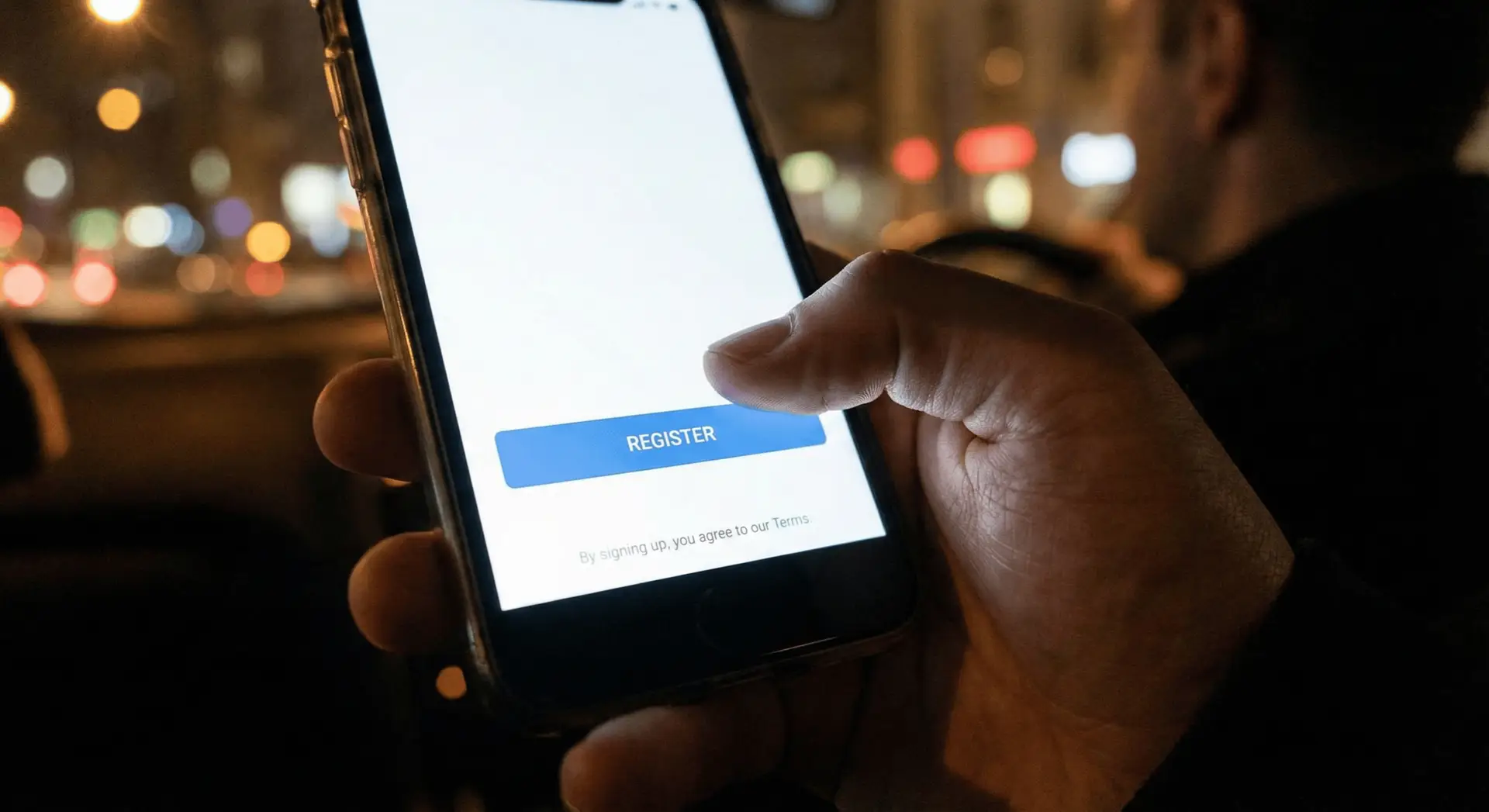
Result: no enforceable contract.
Both cases make one thing clear — if users don’t click “I agree,” you can’t assume consent.
The fix: clickwrap, not browsewrap
If your platform has user accounts, payments, or content uploads:
✅ Use clickwrap — users must check a box or click a button explicitly agreeing to your terms.
✅ Make sure the text says something clear like: “By creating an account, you agree to our Terms of Service and Privacy Policy.”
✅ Keep a record of acceptance (timestamps, IPs, version control).
If you just link your terms at the bottom of a page (“browsewrap”), you have notice without consent — and that’s legally meaningless.
The global angle

Different jurisdictions treat digital assent differently, but one pattern holds true:
The more friction you remove for the user, the less enforceable your terms become.
Adding a simple “I agree” button might feel like bad UX — but it’s what separates a valid contract from a legal mirage.
📚 Extra Reading: